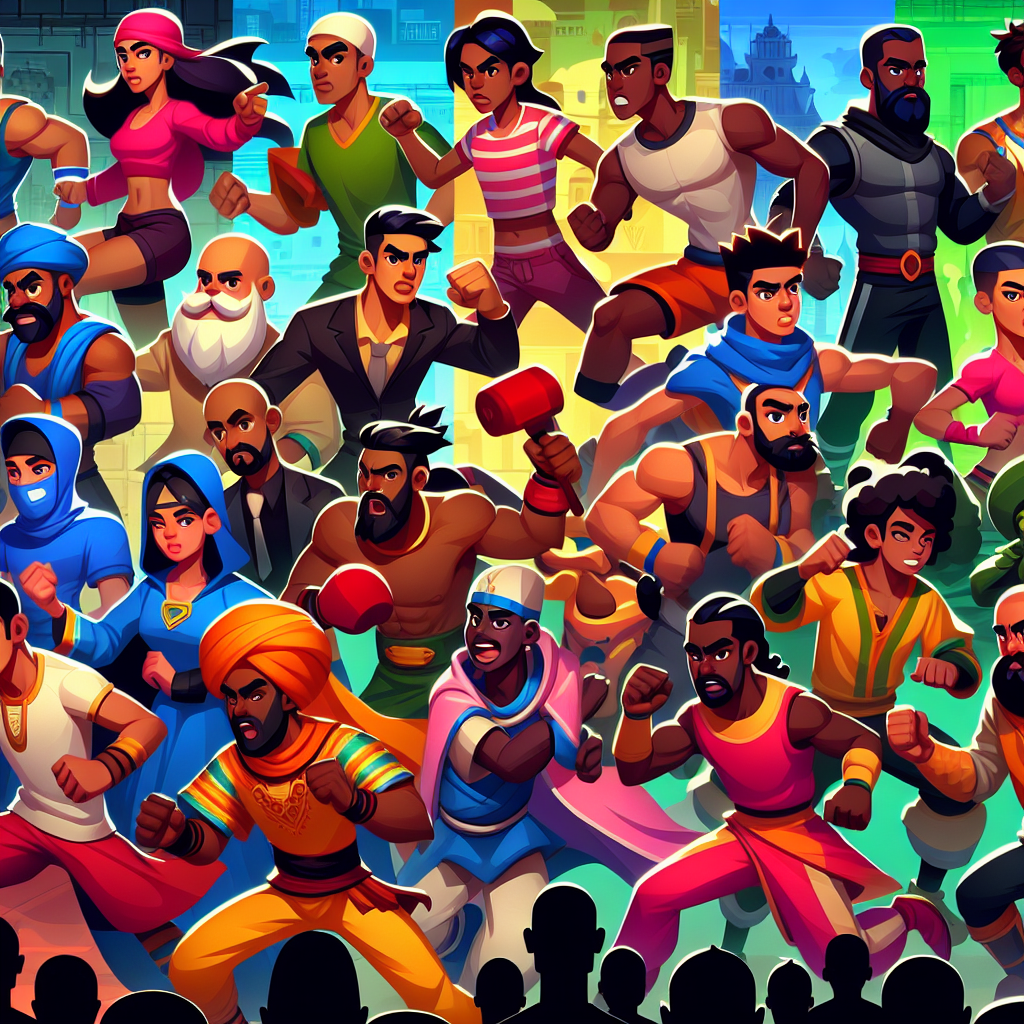
2D character modeling is an essential aspect of game development, app design, and animation. It involves crafting characters that not only captivate audiences but also enhance the overall user experience. This article delves into the principles, techniques, and tools available for creating dynamic 2D characters for various digital platforms.
Understanding the Fundamentals of 2D Character Design
Understanding the fundamentals of 2D character design is essential for creating engaging characters in games, apps, and animation. The principles of shape, color theory, and silhouette play a critical role in developing visually appealing characters. For instance, using geometric shapes—like circles for friendliness and triangles for aggression—helps convey personality traits to the audience. Meanwhile, effective color palettes can evoke emotions; red signifies passion, while blue represents calmness, adhering to established color theory principles. A strong silhouette ensures instant recognition, allowing characters to be identifiable even in dim lighting. Moreover, a character’s backstory shapes design choices, from costume to color, making the design coherent with narrative context. Successful examples, like Mickey Mouse, with its simple shapes and memorable colors, showcase how these elements contribute to character recognition and appeal across different media.
Sources:
Tools and Software for 2D Character Modeling
When it comes to 2D character modeling for games, apps, and animation, the choice of software is crucial. Tools like Adobe Illustrator and Photoshop provide extensive vector and raster graphics capabilities, enabling detailed character design and customization. Specialized software like Toon Boom Harmony offers robust animation features, including rigging tools and timelines to facilitate smooth character animations. Each program enhances the creative workflow, with Illustrator excelling in vector artwork and Photoshop offering rich texture and color manipulation.
Moreover, the digital approach affords advantages like easier revisions, adaptability, and the ability to integrate with other digital tools, contrasting with traditional methods that can be more time-consuming and fixed. The integration of technology in character modeling workflows simplifies the process, enabling artists to produce animations and assets that resonate with users in modern apps and games.
Sources:
Techniques for Creating Animated 2D Characters
When animating 2D characters, various techniques can bring characters to life, each with its distinct advantages. Frame-by-frame animation involves creating every frame individually, offering unparalleled artistic control over character movements and emotions. This method allows for detailed expressions and fluidity but is labor-intensive. Alternatively, rigging provides a skeletal structure to characters, enabling efficient manipulation without extensive redraws. When paired with tweening, which automates the creation of in-between frames, animators can effectively streamline workflows while ensuring smooth transitions between key poses. Keyframes define these pivotal points in animation, establishing timing, rhythm, and overall movement dynamics. The strategic use of timing and easing enhances the perceived weight and personality of characters, creating more compelling animations that resonate with audiences. For instance, many iconic Disney animations showcase masterful timing that encapsulates emotions and narrative through movement.
Sources:
Integrating Characters into Games and Applications
Integrating 2D characters into games and applications involves careful consideration of character behavior, interaction design, and user interface (UI) aspects. Character behavior plays a crucial role in making interactions feel authentic. For instance, using tools like Unity’s 2D suite, developers can implement responsive animations that react to player inputs, enhancing the user’s sense of control and immersion. Interaction design must prioritize intuitiveness, allowing players to engage effortlessly with characters. Well-crafted UI elements support this by visually guiding players in their interactions, ensuring clarity without overwhelming them. An exemplar of effective character integration is found in Cuphead, where fluid animations and clear interactive cues enrich the gameplay experience, establishing a seamless connection between action and character behavior. Such design fosters greater immersion, ultimately enhancing player engagement.
Sources:
Conclusions
In conclusion, mastering 2D character modeling is vital for anyone involved in game design and animation. By understanding the processes and tools discussed, creators can bring their characters to life in a way that resonates with users, ultimately leading to more engaging and successful projects.
Leave a Reply